
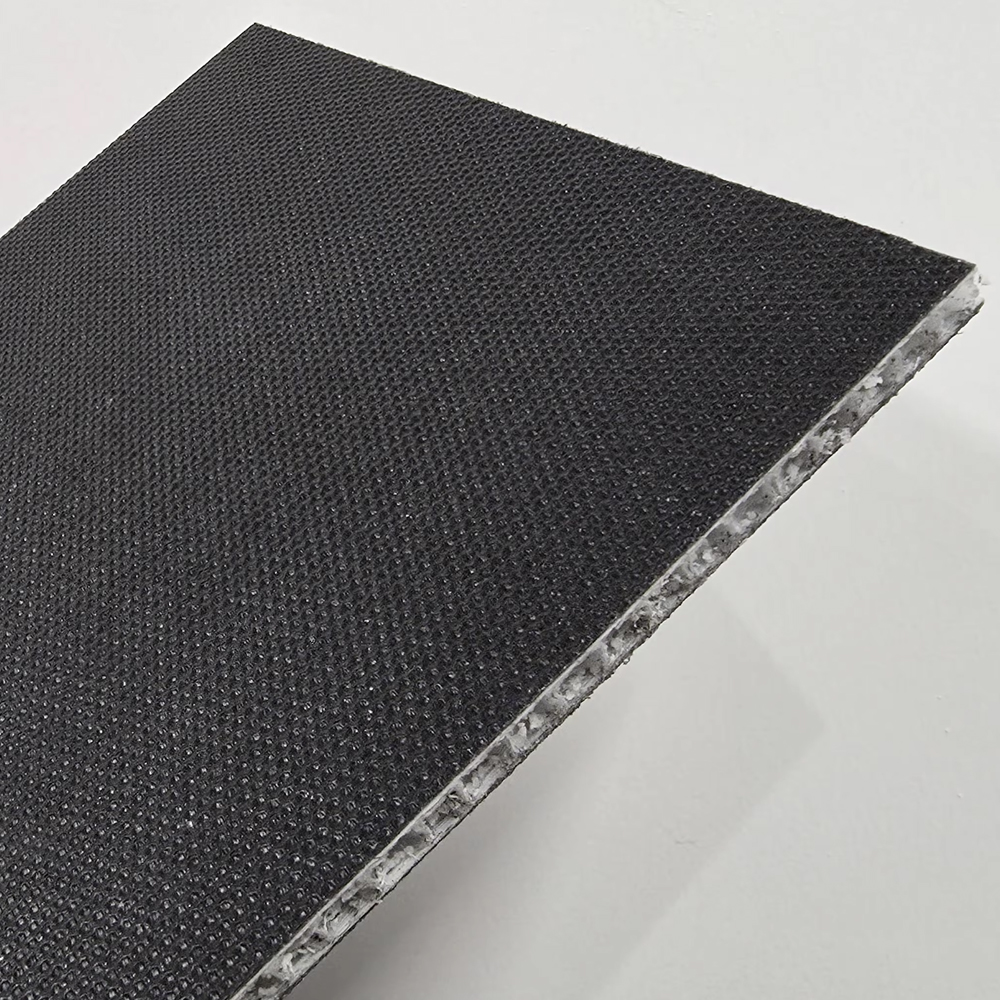
Purchasing the right Fiberglass Honeycomb Panel is an important decision for many industries, including marine manufacturing, transportation, construction, industrial equipment, and customized composite applications.
Because Fiberglass Honeycomb Panels are engineered composite materials, product quality depends on many factors:
- Raw materials
- Core structure
- Manufacturing technology
- Panel specifications
- Supplier experience
Many international buyers make purchasing decisions based only on price or delivery time, but this approach can create unexpected problems later.
Common purchasing problems include:
- Panels failing to meet strength requirements
- Inconsistent product quality
- Incorrect material selection
- Project delays
- Higher maintenance costs
A professional procurement process can help avoid these risks.
This article explains the 5 most common mistakes buyers make when purchasing Fiberglass Honeycomb Panels and provides practical solutions.
Mistake 1: Choosing a Supplier Based Only on the Lowest Price
Why This Happens
Price is always an important factor in purchasing decisions.
Many buyers compare several quotations and choose the supplier offering the lowest price.
However, extremely low prices often indicate differences in:
- Raw material quality
- Production process
- Manufacturing experience
- Quality control standards
A lower-priced Fiberglass Honeycomb Panel may use:
- Lower-grade fiberglass fabric
- Insufficient resin content
- Poor bonding technology
- Unstable honeycomb cores
These factors can affect:
- Panel strength
- Durability
- Surface quality
- Service life
How to Avoid This Mistake
Instead of comparing only the unit price, buyers should evaluate:
Product Value
Consider:
- Mechanical performance
- Service life
- Application suitability
Manufacturing Capability
Check:
- Factory equipment
- Production experience
- Quality systems
Total Project Cost
Include:
- Replacement costs
- Installation costs
- Maintenance expenses
A professional supplier may not always provide the lowest initial price, but can provide better long-term value.
Mistake 2: Selecting the Wrong Fiberglass Honeycomb Panel Specification
Why This Happens
Some buyers know they need a composite panel but are unsure about the correct technical specifications.
Common specification mistakes include:
- Choosing incorrect thickness
- Selecting unsuitable core density
- Ignoring environmental conditions
- Overestimating or underestimating strength requirements
For example:
A panel designed for indoor applications may not perform well in a marine environment.
A lightweight panel may not be suitable for heavy-load structures.
Key Parameters Buyers Should Confirm
Before ordering Fiberglass Honeycomb Panels, buyers should evaluate:
Panel Thickness
Thickness affects:
- Stiffness
- Strength
- Weight
Core Material
Different cores provide different advantages.
Consider:
- Strength requirements
- Moisture resistance
- Temperature conditions
Fiberglass Skin Thickness
The outer skin influences:
- Impact resistance
- Surface durability
- Structural performance
Application Environment
Consider:
- Indoor/outdoor use
- Humidity
- Saltwater exposure
- Chemical contact
How to Avoid This Mistake
Work with a manufacturer that provides technical consultation.
An experienced supplier should ask questions about:
- Application purpose
- Installation method
- Required performance
- Operating environment
The right supplier should recommend a solution, not simply sell a standard product.
Mistake 3: Ignoring Supplier Manufacturing Capability
Why This Happens
Many overseas buyers find suppliers through online platforms.
However, not every supplier has real manufacturing capability.
Some companies may be:
- Trading companies
- Small workshops
- Resellers
This can create problems such as:
- Limited customization ability
- Unstable quality
- Longer communication process
- Difficult after-sales service
How to Evaluate a Fiberglass Honeycomb Panel Manufacturer
Professional buyers should check:
Factory Capability
Look for:
- Production facilities
- Manufacturing equipment
- Technical team
Production Experience
Ask:
- How long has the company produced composite panels?
- What industries do they serve?
Customization Ability
Confirm whether they can provide:
- Special dimensions
- Custom thickness
- OEM production
Quality Management
Check whether they have:
- Inspection procedures
- Material control systems
- Production standards
Mistake 4: Skipping Sample Testing Before Mass Production
Why This Happens
Some buyers want to save time and directly place large orders.
However, skipping sample verification can create significant risks.
A sample allows buyers to confirm:
- Actual appearance
- Product dimensions
- Processing performance
- Mechanical properties
- Application suitability
Why Sample Testing Is Important
Different projects have different requirements.
A panel that works well for one application may not be suitable for another.
For example:
A marine project may require:
- Higher moisture resistance
- Better corrosion protection
A transportation project may prioritize:
- Weight reduction
- Impact resistance
Recommended Sample Evaluation Process
Before mass production:
Step 1:
Review technical specifications
Step 2:
Receive product sample
Step 3:
Test application performance
Step 4:
Confirm final production requirements
This small investment can prevent expensive mistakes.
Mistake 5: Not Considering Long-Term Supplier Cooperation
Why This Happens
Some buyers treat composite panel purchasing as a simple transaction.
However, for industrial projects, supplier cooperation directly affects:
- Production efficiency
- Product consistency
- Future project success
A reliable supplier can provide:
- Technical support
- Faster communication
- Continuous improvement
- Stable supply
How to Build a Long-Term Supplier Relationship
Choose manufacturers that provide:
Professional Communication
They should understand:
- Your project requirements
- Your market needs
- Your technical expectations
Continuous Improvement
Good suppliers continuously optimize:
- Materials
- Processes
- Quality control
Supply Stability
Long-term cooperation requires:
- Reliable production capacity
- Consistent quality
- Predictable delivery
Buyer Checklist Before Purchasing Fiberglass Honeycomb Panels
Before placing an order, professional buyers should confirm:
Product Requirements
✓ Application purpose
✓ Panel dimensions
✓ Thickness requirements
✓ Core specifications
✓ Surface requirements
Supplier Evaluation
✓ Factory capability
✓ Production experience
✓ Quality control process
✓ Customization ability
✓ Export experience
Order Confirmation
✓ Sample approval
✓ Production schedule
✓ Packaging requirements
✓ Inspection standards
Why Choose Foshan Onebond Building Materials Co., Ltd.
Foshan Onebond Building Materials Co., Ltd. understands the challenges faced by global composite material buyers.
As a professional manufacturer of advanced composite materials, Onebond focuses on providing reliable Fiberglass Honeycomb Panel solutions for different industries.
Our advantages include:
Professional Technical Support
We help customers select suitable materials based on:
- Application requirements
- Performance expectations
- Budget considerations
Customized Manufacturing
Onebond provides:
- Custom sizes
- Custom thickness
- Different core structures
- OEM solutions
Quality-Focused Production
We maintain strict control over:
- Raw materials
- Manufacturing processes
- Final product inspection
Global Customer Support
We provide professional service for international buyers, including:
- Product consultation
- Technical communication
- Export support
Frequently Asked Questions
Q1: How can I verify whether a Fiberglass Honeycomb Panel supplier is reliable?
Check the supplier’s factory capability, production experience, quality control system, customization ability, and customer references.
Q2: Should I request samples before ordering Fiberglass Honeycomb Panels?
Yes. Sample testing helps confirm product quality and suitability before mass production.
Q3: What information should I provide when requesting a quotation?
Provide:
- Application
- Panel size
- Thickness
- Quantity
- Performance requirements
This allows manufacturers to provide accurate recommendations.
