
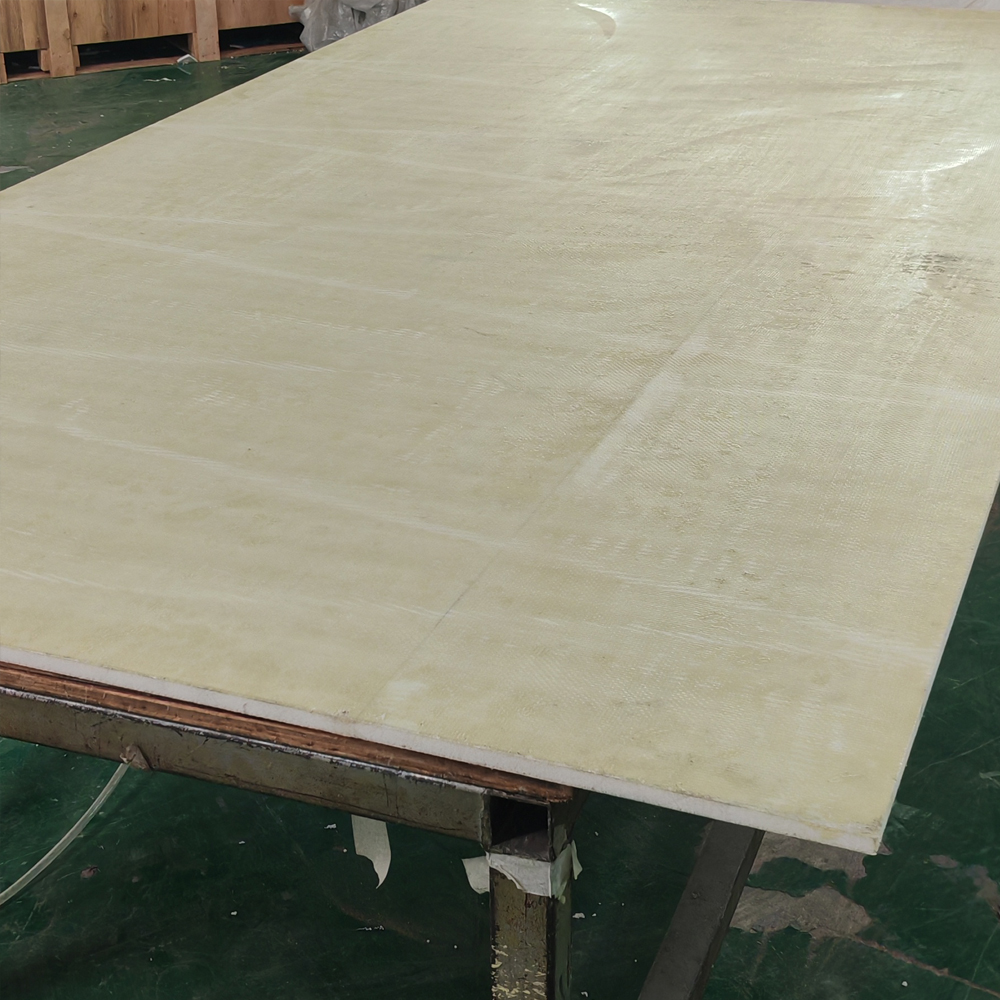
Modern construction and interior finishing projects are increasingly moving away from traditional wet construction methods toward prefabricated, lightweight, modular, and easy-to-install panel systems. Whether the project is a commercial office, residential building, hotel, retail space, healthcare facility, or public building, the selection of the right wall panel system has become an important decision affecting installation efficiency, maintenance cost, visual appearance, durability, and long-term project performance.
Today, the market offers a wide range of products, including pvc wall panel, ceiling panel, pvc ceiling panel, spc wall panel, wall cladding, and other solutions designed specifically for office decoration and commercial interior projects.
For manufacturers, distributors, contractors, architects, and procurement teams, these materials should not simply be compared based on price. A complete evaluation should consider raw materials, structural design, thickness, surface treatment, waterproof performance, fire resistance, impact resistance, installation method, service environment, and expected service life.
This article provides a detailed analysis of the main wall and ceiling panel materials used in modern construction and explains how buyers can select the right system for different applications.
1. Why Wall Panel Systems Are Replacing Traditional Interior Finishing
Traditional wall finishing methods often involve multiple construction stages, including plastering, leveling, painting, tiling, drying, and surface treatment. These processes require significant labor and can extend the overall project schedule.
A modern wall panel system can simplify this process by integrating decorative surfaces, structural support, moisture resistance, and installation features into a prefabricated product.
The advantages of panel-based construction include:
- Faster installation
- Reduced wet construction
- Lower labor requirements
- More consistent surface quality
- Easier replacement and maintenance
- Lightweight structural design
- Flexible decorative options
- Improved moisture resistance
- Better compatibility with modular construction
For large-scale projects, installation speed can have a direct impact on labor costs and project completion schedules. This is one reason why lightweight interior panels are increasingly used in hotels, apartments, offices, retail projects, and prefabricated buildings.
The selection of a wall panel should therefore begin with the application environment rather than simply choosing the lowest-cost material.
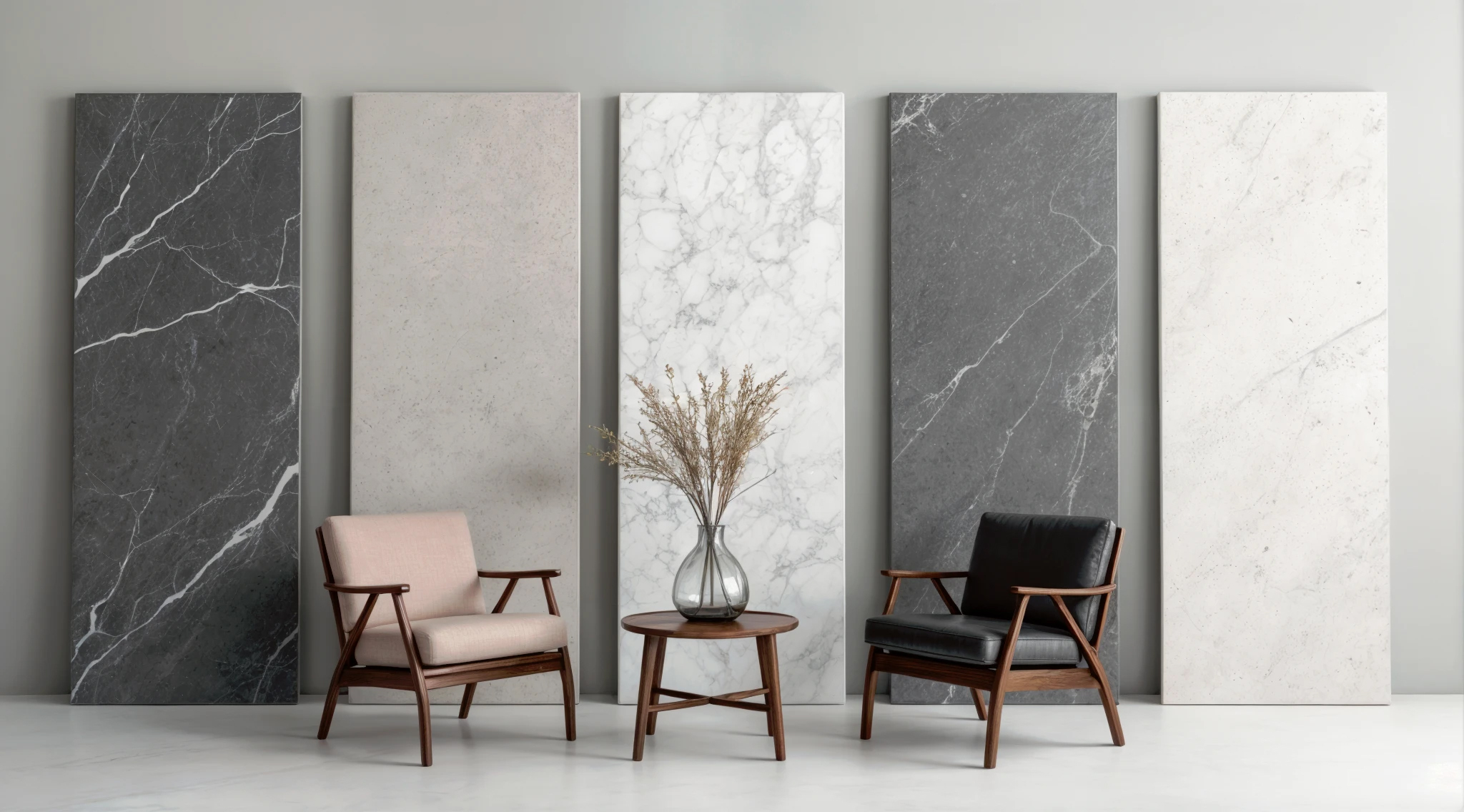
2. Understanding the Main Types of Wall Panel Materials
The current market includes several major panel categories. Each material has different advantages and limitations.
The most common categories include:
- pvc wall panel
- spc wall panel
- Composite decorative panels
- Aluminum-based wall systems
- FRP and fiberglass reinforced panels
- Wood-plastic composite panels
- Decorative wall cladding systems
- Specialized acoustic and fire-resistant panels
A basic comparison is shown below.
| Material Type | Typical Thickness | Water Resistance | Impact Resistance | Weight | Typical Application |
|---|---|---|---|---|---|
| PVC Panel | 5–10 mm | High | Medium | Low | Bathrooms, kitchens, interiors |
| SPC Panel | 4–10 mm | Very High | High | Medium | Residential and commercial walls |
| Composite Panel | 5–30 mm | High | High | Low to Medium | Commercial and industrial projects |
| Aluminum Panel | 2–25 mm | High | High | Medium | Architecture and public buildings |
| FRP Panel | 1–10 mm | Very High | High | Low | Industrial and transportation |
| Decorative Wall Cladding | 3–30 mm | Depends on material | Medium to High | Varies | Interior and exterior projects |
These values are typical market ranges. Actual specifications depend on material formulation, structural design, production technology, and project requirements.
3. PVC Wall Panel: Lightweight and Cost-Effective Interior Solutions
The pvc wall panel remains one of the most widely used decorative panel products in the global construction market.
PVC, or polyvinyl chloride, provides several characteristics that make it suitable for interior applications:
- Low weight
- Water resistance
- Easy cutting and installation
- Decorative surface options
- Low maintenance requirements
- Competitive manufacturing cost
- Resistance to many common cleaning agents
A pvc wall panel is commonly manufactured with a hollow or cellular internal structure. This reduces material consumption while maintaining sufficient rigidity for interior installation.
Typical applications include:
- Residential bathrooms
- Kitchens
- Corridors
- Hotels
- Retail spaces
- Temporary buildings
- Commercial interiors
One of the most important purchasing considerations is panel thickness and internal structure. A very thin panel may have a lower purchase cost but can be more susceptible to deformation, impact damage, or surface irregularities.
For this reason, procurement teams should evaluate the complete structure rather than comparing products only by square-meter price.
Typical PVC Wall Panel Parameters
| Parameter | Typical Range |
| Thickness | 5–10 mm |
| Width | 200–400 mm |
| Length | Customized |
| Surface | Glossy, matte, printed, laminated |
| Core Structure | Hollow or cellular |
| Water Resistance | High |
| Installation | Adhesive, clips or mechanical fixing |
For high-volume construction projects, manufacturers can also customize the width, surface pattern, embossing, packaging, and connection profile of a pvc wall panel.
4. SPC Wall Panel: Higher Rigidity for Modern Interior Projects
An spc wall panel generally uses a composite formulation containing stone powder, polymer materials, and stabilizing additives.
Compared with traditional hollow PVC products, an spc wall panel may provide higher rigidity and dimensional stability.
Key characteristics can include:
- High surface hardness
- Improved impact resistance
- Water resistance
- Dimensional stability
- Decorative printing options
- Compatibility with modern click-lock or interlocking systems
An spc wall panel is increasingly used in projects where the buyer requires a more rigid decorative panel.
Typical applications include:
- Hotels
- Apartments
- Commercial buildings
- Retail stores
- Healthcare facilities
- Office interiors
However, product quality can vary significantly depending on formulation, density, thickness, decorative film, and manufacturing technology.
A procurement specification should therefore define measurable requirements rather than simply requesting an spc wall panel.
Important specifications may include:
| Specification | Example Requirement |
| Panel Thickness | 5 mm / 8 mm / Customized |
| Panel Width | Customized |
| Surface Finish | Marble, wood grain, solid color |
| Water Resistance | Project requirement |
| Surface Wear Resistance | Application dependent |
| Fire Performance | According to local standards |
| Installation System | Adhesive or mechanical connection |
For large projects, sample testing should be completed before full production.
5. Ceiling Panel Systems and Their Role in Interior Construction
While wall systems receive significant attention, the selection of the right ceiling panel is equally important.
A ceiling system can influence:
- Interior appearance
- Lighting integration
- Acoustic performance
- Fire safety
- Maintenance access
- Installation efficiency
A ceiling panel can be produced using different materials, including PVC, aluminum, composite materials, mineral fiber, and other engineered substrates.
Modern projects increasingly require ceiling systems that can integrate:
- LED lighting
- Air conditioning systems
- Fire protection equipment
- Inspection access
- Acoustic materials
The right ceiling panel should therefore be selected based on the building function.
For example, a residential project may prioritize decorative appearance and moisture resistance, while an airport, hospital, or commercial office may require higher fire performance and easier maintenance access.
6. PVC Ceiling Panel for Moisture-Resistant Interior Applications
A pvc ceiling panel is commonly used in areas exposed to humidity or moisture.
Typical applications include:
- Bathrooms
- Kitchens
- Residential buildings
- Hotels
- Commercial washrooms
- Utility areas
The main advantages of a pvc ceiling panel include lightweight construction, easy installation, and resistance to moisture.
Because the panels are often produced with hollow internal structures, they can also reduce the total weight of the ceiling system.
However, buyers should consider several factors:
- Thickness
- Internal rib structure
- Surface film quality
- UV resistance
- Thermal expansion behavior
- Fire performance
- Installation accessories
A low-quality pvc ceiling panel may experience deformation when exposed to excessive heat or poor installation conditions.
For this reason, manufacturers should provide installation recommendations that define:
- Maximum support spacing
- Expansion allowance
- Suitable temperature conditions
- Compatible accessories
- Recommended installation method
7. Wall Cladding: Combining Protection and Decorative Design
The term wall cladding covers a wide range of products designed to protect or decorate wall surfaces.
Depending on the project, wall cladding can be installed internally or externally.
Interior wall cladding may focus on:
- Decorative appearance
- Scratch resistance
- Easy cleaning
- Acoustic improvement
- Moisture resistance
Exterior wall cladding may additionally require:
- UV resistance
- Weather resistance
- Thermal stability
- Wind load performance
- Fire resistance
Materials used for wall cladding include:
- Aluminum
- Composite panels
- PVC
- FRP
- Stone veneer
- Fiber cement
- Wood-plastic composites
The correct wall cladding system should always be selected based on the installation environment.
A material designed for a dry interior space should not automatically be used in an exterior environment.
8. Comparing PVC Wall Panel, SPC Wall Panel and Other Wall Systems
The choice between a pvc wall panel, spc wall panel, and other composite wall systems depends on the project requirements.
| Performance Factor | PVC Wall Panel | SPC Wall Panel | Composite Wall Panel |
| Weight | Low | Medium | Low to Medium |
| Water Resistance | High | Very High | High |
| Rigidity | Medium | High | High |
| Decorative Options | High | High | Very High |
| Impact Resistance | Medium | High | High |
| Customization | High | Medium to High | Very High |
| Large Panel Capability | Limited | Medium | High |
| Industrial Application | Limited | Medium | High |
For a low-cost residential project, a pvc wall panel may provide sufficient performance.
For projects requiring higher rigidity and dimensional stability, an spc wall panel may be more suitable.
For large commercial or specialized applications, engineered composite systems may offer greater customization and structural performance.
9. Wall Cladding and Office Decoration Trends
Modern office decoration increasingly focuses on flexibility, efficiency, sustainability, and employee comfort.
Traditional office renovation may require:
- Demolition
- Plastering
- Painting
- Drying
- Multiple finishing processes
Panel-based systems can simplify renovation.
A modular wall panel can be manufactured with a finished decorative surface before arriving at the construction site.
This can reduce:
- On-site labor
- Construction waste
- Installation time
- Surface finishing requirements
For office decoration, common surface designs include:
- Wood grain
- Marble patterns
- Solid colors
- Metallic finishes
- Fabric textures
- Customized digital printing
A combination of wall cladding, decorative panels, and ceiling panel systems can create a coordinated interior environment.
10. Designing an Integrated Wall and Ceiling System
A successful interior project should not select wall materials and ceiling materials independently.
Instead, designers should consider the complete system.
For example:
- wall panel → Main vertical decorative surface
- wall cladding → Feature areas or protective surfaces
- ceiling panel → Ceiling decoration and equipment integration
- pvc ceiling panel → Moisture-resistant areas
- pvc wall panel → Lightweight and cost-sensitive interiors
- spc wall panel → Higher-rigidity decorative areas
An integrated design can improve visual consistency and installation efficiency.
Example Interior System
| Area | Recommended Solution | Main Requirement |
| Office Reception | Decorative wall panel | Visual appearance |
| Meeting Room | Composite wall cladding | Acoustic and appearance |
| Open Office | Wall panel and ceiling panel | Fast installation |
| Pantry | PVC wall panel | Moisture resistance |
| Washroom | PVC wall panel + PVC ceiling panel | Waterproof performance |
| Executive Area | SPC wall panel | Premium decorative surface |
This type of material planning allows procurement teams to optimize both performance and project cost.
11. Manufacturing Considerations for Wall Panel Products
For manufacturers, producing a competitive wall panel requires control over several stages.
Raw Material Selection
The quality of polymer resin, mineral fillers, additives, decorative films, and adhesives can directly affect product performance.
Extrusion or Lamination
For a pvc wall panel or spc wall panel, extrusion parameters influence:
- Density
- Thickness consistency
- Surface flatness
- Internal structure
- Dimensional stability
Surface Treatment
Decorative surfaces may include:
- PVC film lamination
- Hot stamping
- Digital printing
- UV coating
- Embossing
Quality Control
A complete quality-control system should monitor:
- Thickness tolerance
- Width tolerance
- Weight
- Surface defects
- Flatness
- Water resistance
- Impact performance
- Adhesion strength
For commercial projects, manufacturers should maintain batch consistency.
12. Important Parameters for Procurement Buyers
When purchasing a wall panel, buyers should avoid specifications such as “good quality” or “high quality” without measurable requirements.
Instead, a technical specification can include the following.
| Parameter | Recommended Procurement Requirement |
| Material | PVC, SPC, composite or specified material |
| Thickness | Exact value and tolerance |
| Width | Standard or customized |
| Length | Standard or project-specific |
| Surface | Defined decorative finish |
| Density | Material-specific requirement |
| Weight | Maximum or target value |
| Fire Performance | Required local standard |
| Water Resistance | Required application performance |
| Installation | Defined fixing method |
| Packaging | Export or project requirement |
This approach allows the manufacturer and buyer to establish clear quality expectations before production begins.
13. Installation Efficiency and Project Cost
Material cost is only one component of total project cost.
For example, a lower-cost traditional wall finishing method may require:
- More labor
- Longer installation time
- Additional finishing materials
- Higher construction waste
A prefabricated wall panel may have a higher material price but lower installation costs.
Similarly, a high-quality ceiling panel can reduce maintenance requirements and simplify the integration of lighting or air-conditioning systems.
The same principle applies to wall cladding.
A procurement team should evaluate:
Material Cost + Installation Cost + Maintenance Cost + Expected Service Life
This total-cost approach is often more useful than comparing only product prices.
14. Customization Opportunities for Manufacturers
Manufacturers can differentiate their products through customization.
A wall panel can potentially be customized by:
- Thickness
- Width
- Length
- Surface color
- Decorative pattern
- Surface texture
- Connection profile
- Packaging
- Brand labeling
A pvc wall panel manufacturer may focus on decorative patterns and lightweight structures.
An spc wall panel manufacturer may emphasize rigidity, dimensional stability, and premium decorative surfaces.
A ceiling panel supplier may provide integrated lighting openings or customized installation systems.
For large office decoration projects, manufacturers can also develop coordinated product collections.
For example:
- Matching wall surfaces
- Coordinated ceiling panel designs
- Decorative wall cladding
- Customized edge trims
- Project-specific accessories
This creates additional value for contractors and distributors.
15. Sustainability and Material Efficiency
Sustainability is becoming increasingly important in the building materials industry.
Manufacturers are now evaluating:
- Recycled content
- Material efficiency
- Production waste
- Product durability
- Lightweight transportation
- Long service life
Lightweight panels can potentially reduce transportation costs and simplify handling.
Some composite and polymer-based systems can also be designed to reduce material consumption through hollow or engineered internal structures.
However, sustainability should be evaluated through the complete product life cycle rather than simply describing a product as environmentally friendly.
Manufacturers should provide accurate information regarding:
- Material composition
- Recyclability
- Recycled content
- Production standards
- Applicable environmental certifications
16. Choosing the Right System for Office Decoration
For office decoration, the selection of materials should depend on the type of office and expected use.
A standard commercial office may prioritize:
- Appearance
- Installation speed
- Easy maintenance
A technology company may prefer:
- Customized colors
- Acoustic integration
- Modular design
A premium office may require:
- Large-format decorative panels
- High-end surface finishes
- Concealed connection systems
A typical material strategy could combine several products.
For example:
- wall panel for general office areas
- spc wall panel for premium meeting rooms
- wall cladding for reception feature walls
- ceiling panel for open office areas
- pvc ceiling panel for pantry or washroom areas
- pvc wall panel for moisture-resistant service spaces
This material combination allows the project to balance cost and performance.
17. Future Development of Wall and Ceiling Panels
The future of the panel industry will likely focus on several major trends.
Larger Panel Formats
Larger panels can reduce visible joints and improve installation efficiency.
Lightweight Composite Structures
Manufacturers are increasingly using engineered structures to improve stiffness while reducing weight.
Digital Surface Customization
Digital printing and customized decorative films allow greater design flexibility.
Improved Fire Performance
Building regulations are encouraging manufacturers to develop higher-performance materials.
Modular Construction
Prefabricated wall panel and ceiling panel systems are increasingly compatible with modular building methods.
Integrated Functional Panels
Future products may integrate:
- Lighting
- Acoustic materials
- Insulation
- Wiring channels
- Ventilation components
This development will transform the traditional decorative panel into a multifunctional building component.
18. Final Recommendations for Buyers and Manufacturers
The global market for lightweight interior materials continues to expand because construction projects require faster installation, greater design flexibility, and improved lifecycle efficiency.
However, there is no single material suitable for every application.
A pvc wall panel may be ideal for lightweight and moisture-resistant interior applications.
An spc wall panel may provide higher rigidity and dimensional stability for commercial interiors.
A ceiling panel should be selected according to maintenance requirements, building function, and integration with lighting and mechanical systems.
A pvc ceiling panel can provide an efficient solution for moisture-sensitive areas.
A high-performance wall cladding system may be required where surface durability, decorative appearance, or environmental resistance is important.
For large commercial projects and office decoration, combining different materials can often provide the best balance between performance and cost.
Conclusion
The development of modern interior construction is closely connected with the evolution of lightweight, prefabricated, and multifunctional panel materials.
From a basic wall panel to advanced wall cladding systems, manufacturers now have the ability to provide products designed for specific installation environments.
The selection between a pvc wall panel, spc wall panel, ceiling panel, and pvc ceiling panel should be based on measurable project requirements including thickness, weight, water resistance, impact performance, fire requirements, decorative design, installation method, and expected service life.
For commercial projects, particularly large-scale office decoration, the most effective solution is often an integrated system that combines different wall and ceiling materials according to the function of each space.
By working with manufacturers capable of providing customized dimensions, surface designs, structural solutions, and technical support, procurement teams can develop panel systems that improve construction efficiency while delivering consistent long-term performance.
As building methods continue to shift toward prefabrication and modular construction, advanced wall panel, wall cladding, ceiling panel, pvc wall panel, pvc ceiling panel, and spc wall panel products will continue to play an increasingly important role in the global building materials market.
