
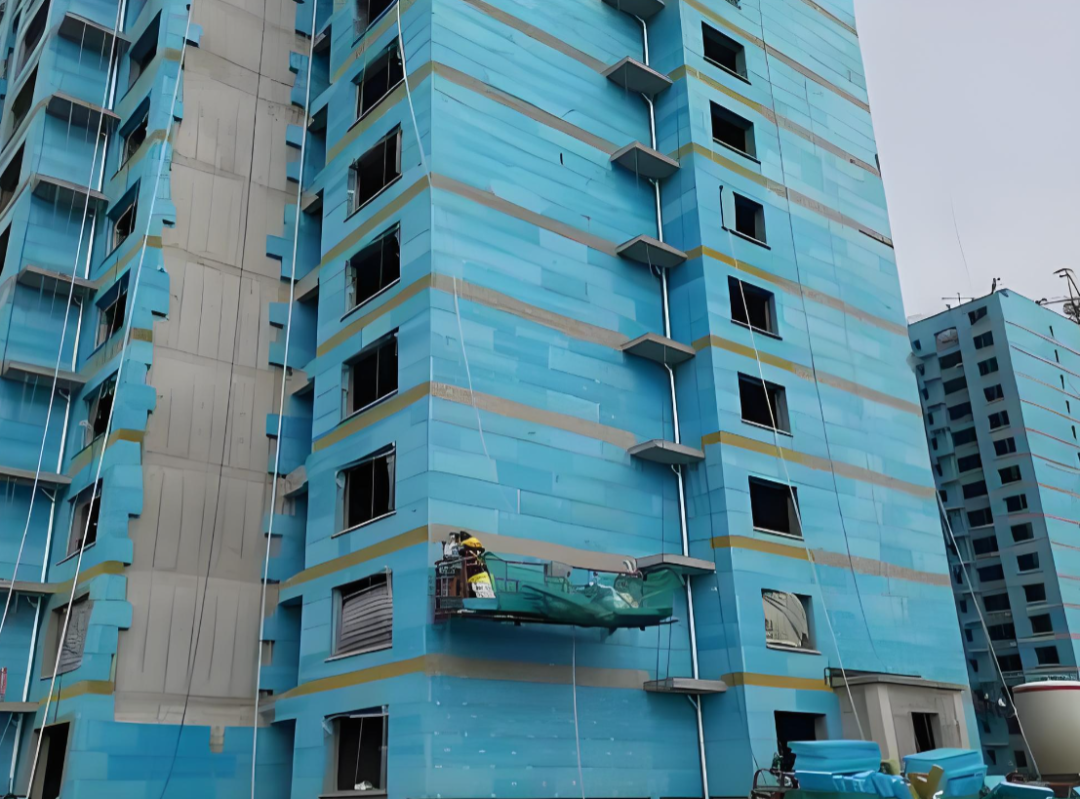
As energy costs continue to rise and sustainability regulations become stricter worldwide, commercial building developers are increasingly seeking advanced insulation materials that can improve energy efficiency while reducing long-term operating costs. Among the various insulation solutions available today, XPS Foam Core (Extruded Polystyrene Foam Core) has become one of the most widely used materials in commercial construction due to its superior thermal insulation performance, moisture resistance, and structural stability.
For contractors, sandwich panel manufacturers, and building material distributors, purchasing wholesale XPS Foam Core offers not only significant cost advantages but also helps improve the overall energy performance of commercial buildings. This article explores how XPS Foam Core contributes to energy efficiency and why bulk procurement is becoming increasingly popular in modern construction projects.
Understanding XPS Foam Core
XPS Foam Core is a rigid closed-cell insulation material manufactured through an extrusion process. The uniform cellular structure provides excellent thermal resistance while maintaining high compressive strength and low water absorption.
Common applications include:
- Commercial building wall systems
- Insulated roof panels
- Cold storage facilities
- Prefabricated buildings
- Structural insulated panels (SIPs)
- FRP and metal sandwich panels
Because of its consistent performance and long service life, XPS Foam Core has become a preferred insulation solution for energy-efficient building envelopes.
Key Thermal Performance Benefits
The primary reason commercial buildings use XPS Foam Core is its exceptional thermal insulation capability.
Typical Technical Specifications
| Property | Typical Value |
|---|---|
| Density | 30–45 kg/m³ |
| Compressive Strength | 250–700 kPa |
| Thermal Conductivity | 0.028–0.034 W/m·K |
| Water Absorption | ≤ 1.0% |
| Operating Temperature | -50°C to +75°C |
| Thickness Range | 10–120 mm |
| Fire Rating | B1/B2 (depending on formulation) |
The low thermal conductivity significantly reduces heat transfer through walls and roofs, helping maintain stable indoor temperatures throughout the year.
Reducing Heating and Cooling Loads
In commercial buildings, HVAC systems often account for more than 40% of total energy consumption. Poor insulation allows heat gain during summer and heat loss during winter, forcing HVAC systems to work harder.
By incorporating XPS Foam Core into wall panels and roofing systems, building owners can:
- Reduce indoor temperature fluctuations
- Lower HVAC operating hours
- Improve occupant comfort
- Decrease peak energy demand
Studies have shown that properly insulated building envelopes can reduce annual energy consumption by 20%–40%, depending on climate conditions and building design.
Moisture Resistance and Long-Term Efficiency
Unlike some traditional insulation materials, XPS Foam Core features a closed-cell structure that minimizes water absorption.
Advantages of Low Water Absorption
- Maintains thermal performance over time
- Prevents mold and mildew growth
- Reduces maintenance costs
- Improves durability in humid environments
This characteristic is particularly valuable for:
- Warehouses
- Shopping malls
- Airports
- Industrial facilities
- Cold storage buildings
Even after years of service, XPS Foam Core continues to deliver stable insulation performance, ensuring consistent energy savings.
Benefits of Wholesale XPS Foam Core Procurement
Large-scale commercial projects require substantial quantities of insulation materials. Purchasing wholesale XPS Foam Core provides several advantages.
Cost Reduction
Bulk procurement can significantly reduce:
- Unit material costs
- Transportation expenses
- Inventory management costs
- Procurement cycle times
Quality Consistency
Working directly with a professional manufacturer ensures:
- Uniform density
- Consistent thickness
- Reliable thermal performance
- Stable production quality
This consistency is essential for maintaining building energy standards across large projects.
Customized Production
Many XPS Foam Core factories offer:
- Customized thicknesses
- Special compressive strengths
- Fire-retardant grades
- OEM and private-label services
These options allow contractors and panel manufacturers to meet specific project requirements.
Applications in Commercial Building Systems
Insulated Sandwich Panels
XPS Foam Core is widely used between steel sheets, aluminum sheets, or FRP skins to create lightweight sandwich panels with excellent insulation performance.
Benefits include:
- Lightweight construction
- Reduced structural load
- Fast installation
- Enhanced thermal efficiency
Roof Insulation Systems
Roofs represent one of the largest sources of heat transfer in commercial buildings.
XPS Foam Core roofing systems provide:
- High compressive strength
- Excellent thermal resistance
- Long service life
- Improved waterproofing performance
Cold Storage Facilities
Cold storage projects require highly efficient insulation to minimize refrigeration energy consumption.
XPS Foam Core offers:
- Stable low-temperature performance
- Moisture resistance
- Reduced thermal bridging
- Lower operating costs
Quality Certifications and Manufacturing Standards
When selecting a wholesale XPS Foam Core supplier, buyers should verify compliance with recognized international standards.
Common Certifications
| Certification | Purpose |
|---|---|
| ISO 9001 | Quality Management System |
| ISO 14001 | Environmental Management |
| CE Certification | European Market Compliance |
| ASTM Standards | Material Performance Testing |
| EN 13164 | XPS Thermal Insulation Standard |
| SGS Testing | Independent Product Verification |
| LEED Compatibility | Green Building Projects |
These certifications demonstrate a manufacturer’s commitment to quality, environmental responsibility, and product reliability.
Sustainability and Green Building Contributions
Modern commercial construction increasingly prioritizes sustainability and carbon reduction.
XPS Foam Core contributes to green building initiatives by:
- Reducing building energy consumption
- Lowering greenhouse gas emissions
- Supporting LEED certification goals
- Extending building service life
- Minimizing maintenance requirements
As governments continue to promote energy-efficient construction, demand for high-performance insulation materials is expected to grow significantly.
Conclusion
Wholesale XPS Foam Core has become a key component in modern commercial building design due to its outstanding thermal insulation performance, moisture resistance, structural strength, and long-term durability. By reducing heating and cooling loads, maintaining stable indoor temperatures, and supporting sustainable construction practices, XPS Foam Core helps building owners achieve substantial energy savings throughout a building’s lifecycle.
