
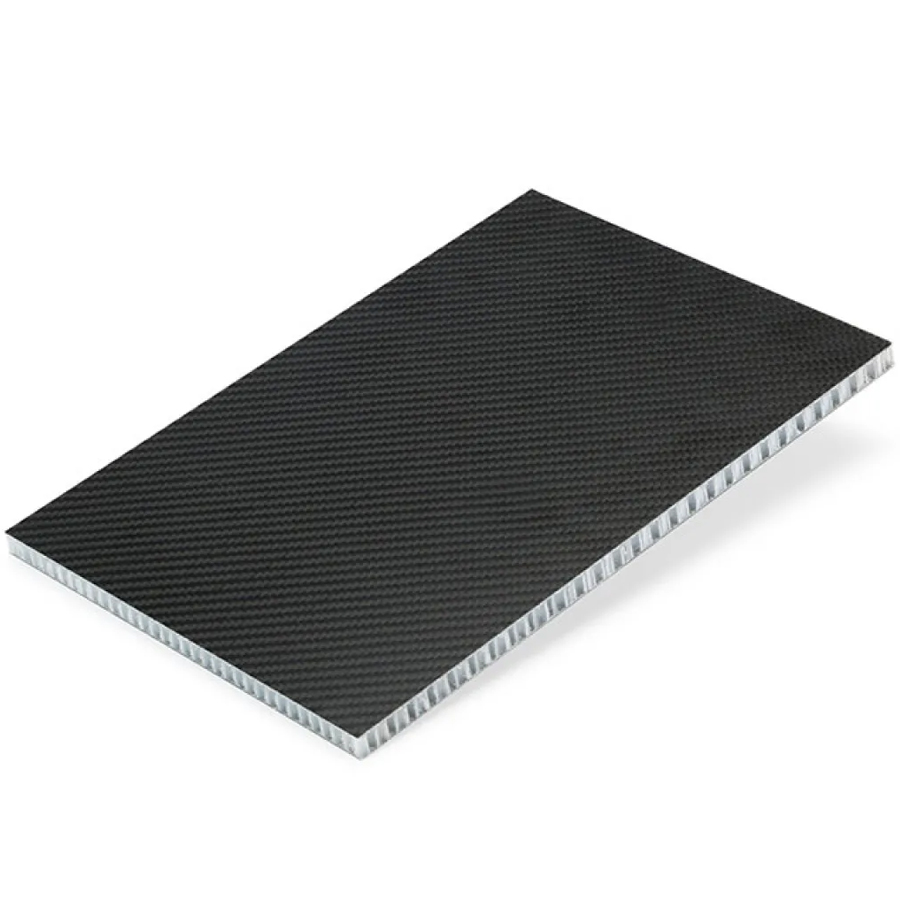
Fiber Reinforced Plastic (FRP) sandwich panels have become increasingly popular in modern construction, transportation, marine engineering, renewable energy, and industrial applications due to their lightweight nature, high strength-to-weight ratio, corrosion resistance, and excellent thermal insulation properties. These advanced composite structures typically consist of two FRP face sheets bonded to a lightweight core material such as PVC foam, PET foam, XPS foam, PMI foam, PU foam, or honeycomb cores.
Despite their many advantages, fire safety remains one of the most critical challenges associated with FRP sandwich panel applications. Unlike traditional construction materials such as steel, concrete, and masonry, composite materials contain polymer-based matrices and organic core materials that may contribute to combustion, smoke generation, and toxic gas emissions under fire conditions.
As global regulations for building safety, public transportation, marine vessels, and industrial facilities become increasingly stringent, researchers and manufacturers are focusing on improving the fire performance of FRP sandwich structures. Fire-resistant composite systems are now essential for meeting international safety standards while maintaining the lightweight and high-performance characteristics that make sandwich panels attractive.
This article examines the fire behavior, failure mechanisms, testing methods, flame-retardant technologies, regulatory standards, and future developments in fire-safe FRP sandwich panel design.
Understanding Fire Behavior in FRP Sandwich Panels
The fire response of an FRP sandwich panel is significantly more complex than that of conventional materials.
A sandwich structure contains three primary components:
- FRP face sheets
- Core material
- Adhesive bonding layer
Each component responds differently when exposed to elevated temperatures and fire conditions.
Under fire exposure, several processes occur simultaneously:
- Surface heating
- Resin decomposition
- Smoke generation
- Gas release
- Mechanical degradation
- Structural instability
The interaction of these processes ultimately determines the panel’s fire resistance and structural survival time.
Thermal Degradation of FRP Face Sheets
The polymer matrix within FRP laminates is typically the first component affected by fire.
Common resin systems include:
- Polyester resin
- Vinyl ester resin
- Epoxy resin
- Phenolic resin
When exposed to increasing temperatures, these resins undergo thermal decomposition.
Stage 1: Softening
At moderate temperatures, the polymer matrix begins to soften and lose stiffness.
Typical temperature range:
- 80°C–200°C
During this stage, structural performance gradually decreases.
Stage 2: Decomposition
As temperatures rise further, chemical bonds within the resin begin to break down.
Typical temperature range:
- 250°C–450°C
Consequences include:
- Smoke generation
- Release of combustible gases
- Matrix cracking
- Loss of fiber support
Stage 3: Char Formation
Certain fire-resistant resin systems form a protective char layer during combustion.
The char acts as:
- A thermal barrier
- An oxygen barrier
- A protective shield for underlying materials
Phenolic resin systems generally exhibit superior char-forming characteristics compared to conventional polyester resins.
Fire Behavior of Core Materials
Core materials often have a significant influence on the overall fire performance of sandwich panels.
Different core materials exhibit vastly different combustion characteristics.
PVC Foam Core
PVC foam is widely used because of its relatively good fire resistance.
Advantages include:
- Self-extinguishing behavior
- Lower heat release rates
- Reduced flame spread
However, combustion may produce corrosive gases containing hydrogen chloride (HCl).
PET Foam Core
PET foam generally demonstrates:
- Moderate fire resistance
- Lower smoke production
- Improved environmental performance
Flame-retardant PET formulations are increasingly used in transportation and building applications.
XPS Foam Core
XPS foam provides excellent thermal insulation but presents significant fire challenges.
Potential concerns include:
- Rapid ignition
- High heat release rate
- Melting behavior
- Flame propagation
As a result, fire-retardant additives are often required for construction applications.
PMI Foam Core
PMI foam exhibits excellent thermal stability and is frequently used in aerospace applications where fire resistance is essential.
Benefits include:
- High temperature resistance
- Low smoke generation
- Good structural retention
Honeycomb Cores
Aluminum honeycomb structures are among the most fire-resistant core materials available.
Advantages include:
- Non-combustibility
- High temperature stability
- Minimal smoke generation
Honeycomb cores are therefore widely used in aircraft interiors, rail transportation, and marine structures.
Structural Failure Mechanisms During Fire Exposure
Fire does not merely cause combustion; it also dramatically reduces structural performance.
Several failure mechanisms may occur.
Skin-Core Debonding
The adhesive layer often represents the weakest link under elevated temperatures.
As the adhesive softens:
- Bond strength decreases
- Load transfer becomes ineffective
- Delamination initiates
Skin-core separation can occur long before complete material combustion.
Face Sheet Buckling
As resin stiffness decreases, FRP skins lose their ability to resist compressive forces.
This may lead to:
- Local buckling
- Face wrinkling
- Structural instability
Even if fibers remain intact, loss of matrix support can significantly reduce load-carrying capacity.
Core Softening and Collapse
Foam cores experience substantial reductions in stiffness when exposed to heat.
Consequences include:
- Increased panel deflection
- Shear failure
- Core crushing
- Structural collapse
This is particularly critical in load-bearing applications.
Progressive Structural Failure
Fire-induced damage often progresses through multiple stages:
- Resin degradation
- Adhesive failure
- Delamination
- Core weakening
- Skin instability
- Structural collapse
Understanding this sequence is essential for developing fire-resistant sandwich structures.
Smoke and Toxic Gas Generation
In many fire incidents, smoke inhalation poses a greater threat to human safety than direct flame exposure.
Important parameters include:
- Smoke density
- Smoke toxicity
- Visibility reduction
Common gases released during composite combustion include:
- Carbon monoxide (CO)
- Carbon dioxide (CO₂)
- Hydrogen cyanide (HCN)
- Hydrogen chloride (HCl)
- Nitrogen oxides (NOx)
Reducing smoke production has become a major objective in modern composite development.
Flame Retardant Technologies
To improve fire safety, manufacturers employ various flame-retardant technologies.
Additive Flame Retardants
Flame-retardant particles are mixed into the resin system.
Common additives include:
- Aluminum hydroxide (ATH)
- Magnesium hydroxide (MDH)
- Phosphorus compounds
- Expandable graphite
These materials reduce combustibility by:
- Absorbing heat
- Releasing water vapor
- Promoting char formation
Reactive Flame Retardants
Reactive flame retardants become chemically incorporated into the resin structure.
Advantages include:
- Improved durability
- Better long-term performance
- Reduced additive migration
These systems are increasingly used in high-performance composite applications.
Intumescent Systems
Intumescent coatings expand when exposed to fire.
The resulting protective layer:
- Reduces heat transfer
- Protects underlying materials
- Delays structural degradation
Intumescent technologies are widely used in transportation and construction applications.
Fire Testing and Evaluation Methods
Accurate fire testing is essential for assessing composite performance.
Several standardized methods are commonly employed.
Cone Calorimeter Test
This test measures:
- Heat release rate (HRR)
- Total heat release (THR)
- Smoke production
- Ignition behavior
It is one of the most widely used fire characterization techniques.
Flame Spread Testing
Evaluates how rapidly fire propagates across a material surface.
Lower flame spread ratings indicate better fire performance.
Smoke Density Testing
Measures the amount of smoke generated during combustion.
Low smoke production is especially important in enclosed spaces.
Fire Resistance Testing
Large-scale furnace tests determine:
- Structural integrity
- Insulation performance
- Load-bearing capacity
These tests simulate realistic fire conditions.
International Fire Safety Standards
FRP sandwich panels used in regulated industries must comply with strict fire safety requirements.
Construction Industry
Common standards include:
- ASTM E84
- ASTM E119
- EN 13501
- ISO 834
These standards evaluate:
- Flame spread
- Smoke development
- Fire resistance duration
Marine Industry
Marine sandwich panels frequently require compliance with:
- IMO FTP Code
- SOLAS regulations
These standards address:
- Fire containment
- Smoke generation
- Structural integrity
Railway Industry
Common standards include:
- EN 45545
This regulation focuses on:
- Fire behavior
- Toxicity
- Passenger safety
Aerospace Industry
Aircraft interior materials often require compliance with:
- FAR 25.853
- Airbus and Boeing specifications
These standards are among the most demanding fire safety requirements worldwide.
Future Trends in Fire-Resistant Sandwich Panels
Research and development continue to improve fire performance while maintaining lightweight characteristics.
Emerging trends include:
Nano-Enhanced Fire Protection
Nanomaterials such as:
- Graphene
- Nanoclay
- Carbon nanotubes
can significantly improve thermal stability and flame resistance.
Advanced Phenolic Composite Systems
Phenolic resins continue to gain attention due to:
- Low smoke generation
- Excellent fire resistance
- High char yield
Hybrid Core Structures
Researchers are combining:
- Foam cores
- Honeycomb structures
- Mineral-based materials
to achieve superior fire performance and mechanical efficiency.
Smart Fire Monitoring Systems
Future sandwich panels may integrate sensors capable of monitoring:
- Temperature
- Smoke generation
- Structural degradation
in real time during fire events.
Conclusion
Fire performance is one of the most critical aspects of FRP sandwich panel design and application. While composite sandwich structures offer exceptional lightweight and mechanical advantages, their polymer-based components introduce challenges related to combustion, smoke generation, toxic gas release, and structural degradation under elevated temperatures.
Through advanced flame-retardant technologies, fire-resistant resin systems, improved core materials, protective coatings, and rigorous testing procedures, manufacturers have significantly enhanced the safety of modern FRP sandwich panels. Understanding fire behavior, failure mechanisms, and regulatory requirements is essential for engineers seeking to develop reliable composite structures for construction, marine, transportation, and industrial applications.
As regulations become stricter and material technologies continue to evolve, fire-safe FRP sandwich panels will play an increasingly important role in the future of sustainable and high-performance engineering systems.
